
Recommended Books
If you’d like to read or listen to Dr. Maloy’s most frequently recommended books for free, click the photo of the book you want and you’ll be brought to its location within the Maine Digital Library. If you live in Maine and are not already a member, you can sign up in minutes and access the e-book or audiobook immediately. If you do not live in Maine, check out other free library resources under the “Free Learning Resources” section of this website.
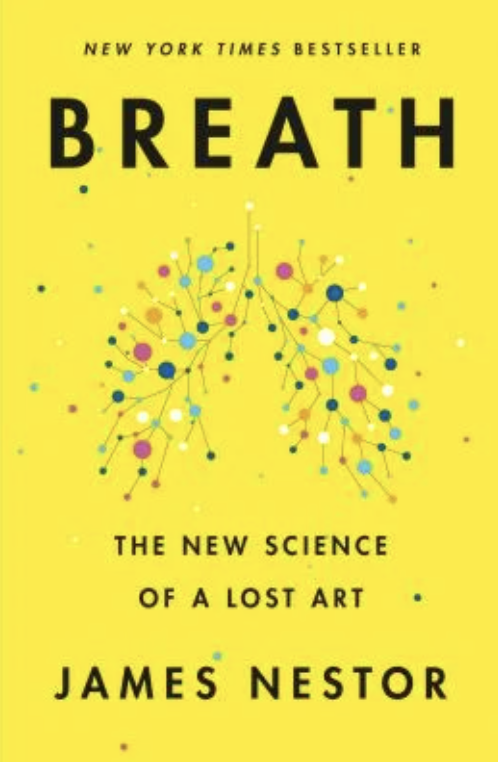
Breath by James Nestor
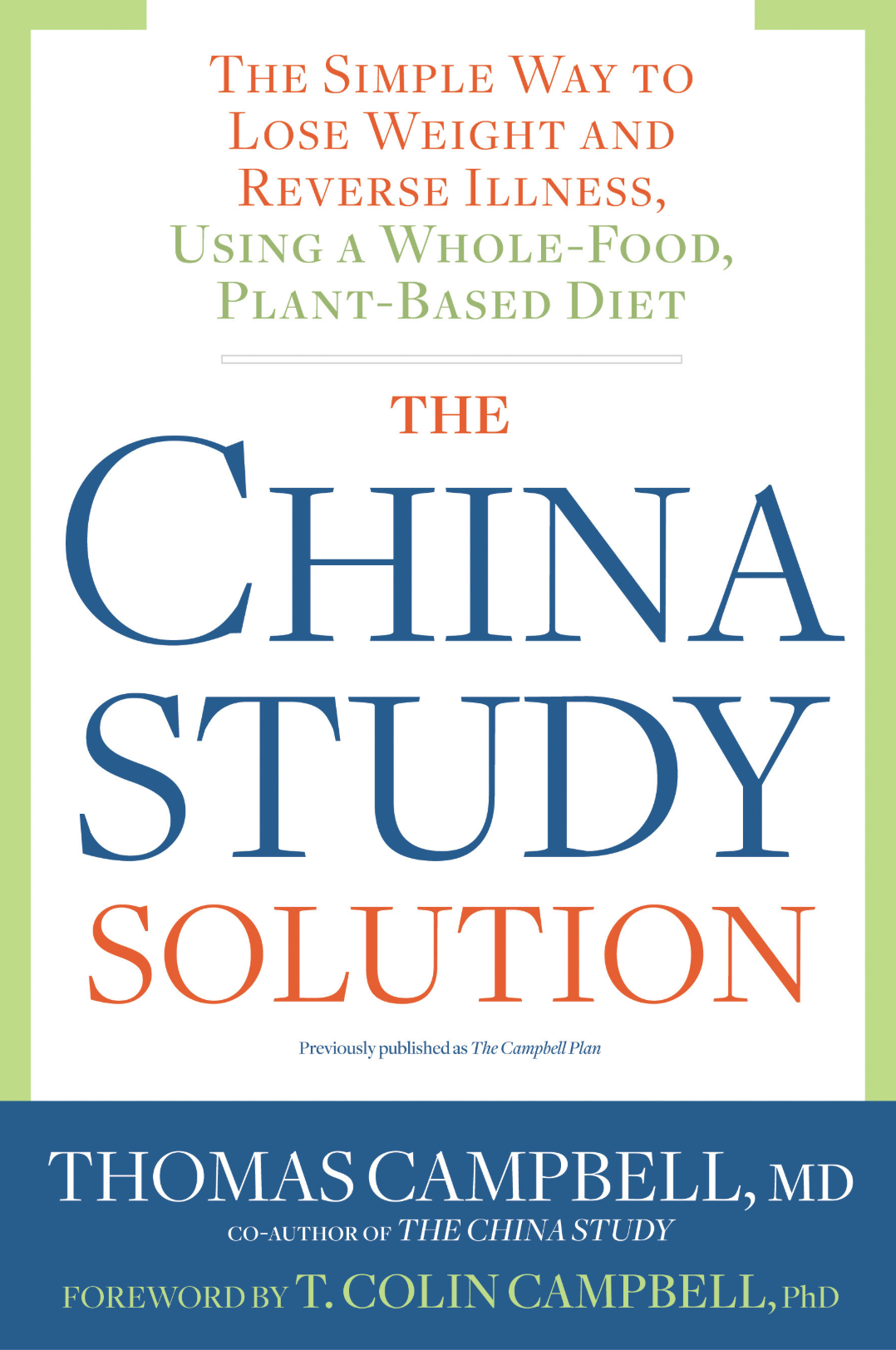
If you have questions about how to transform the concept of eating a WFPB diet to your actual life and food preferences, this book is a great tool. Dr. Campbell - who coauthored The China Study with his father before attending medical school - answers frequently asked questions and gives advice on how to tackle common challenges in eating this way. My favorite aspect of the book is that it is a motivating resource to pick up when my motivation is low. Eating well is not easy and we all need inspirational input to keep our minds clear and our motivation high. -AM
The China Study Solution by Thomas Campbell II, MD
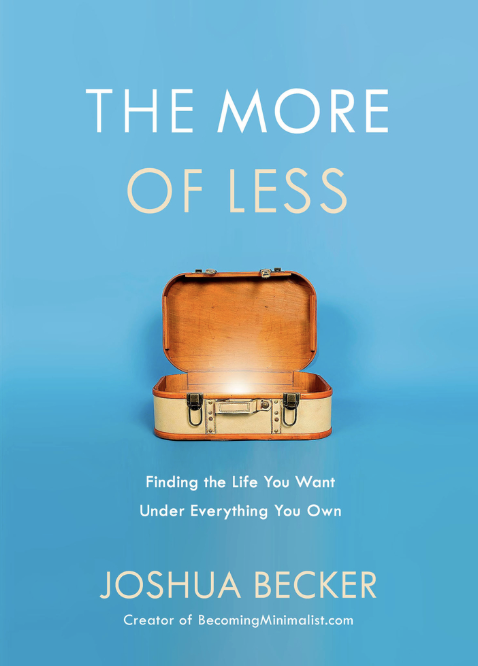
The More of Less by Joshua Becker
Written by an investigative journalist, this incredibly well-researched and well-written book is hard to put down. Who knew the way we breathe affects so much? Who knew inhaling through your nose is so important and that mouth breathing can destroy our health? If you’ve also wondered, like me, why it seems everyone now has sleep apnea, this book will answer that question for you. This book really should be required reading for every human. -AM
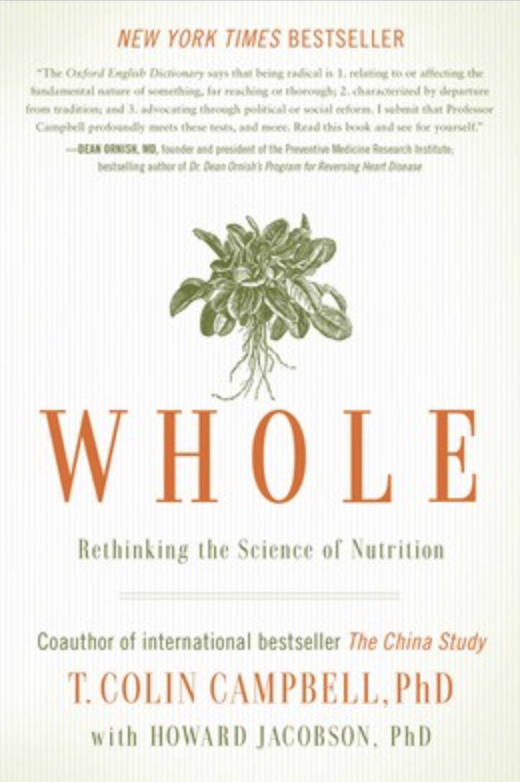
Whole by T. Colin Campbell, PhD
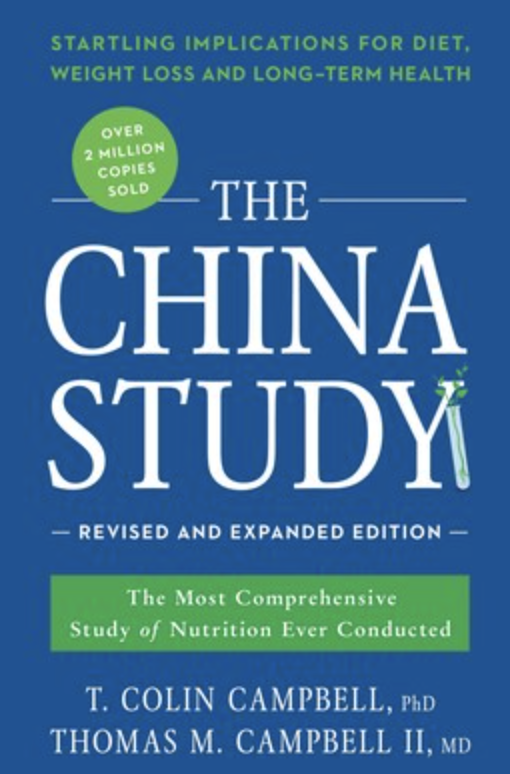
Having studied nutrition since I was a teenager and being a graduate-level-trained scientist, I thought I had a pretty good handle on science and nutrition and this book still rocked my world. Professor Campbell is a nutrition professor, a world-renowned researcher, and member of numerous scientific organizations and boards. If anyone is going to explain how most of the nutritional advice we receive is flawed, it is he. This book provides truly useful information and guidance about why eating a whole-foods, plant-based (WFPB) diet is the best way to eat for our own health and also for the health of the planet. -AM
Observational studies of large populations give us insight into how what they eat affects health and disease. This incredibly researched and referenced book describes the results of the largest epidemiologic study of nutrition ever conducted. The book also outlines a huge amount of other studies and describes the specific ways financial interests (pharmaceutical companies, large food corporations) distort the dietary information that is available to us all the way down through medical professional organizations and government food recommendations. This updated 2nd edition was published 10 years ago and is as relevant today as ever. -AM
The China Study by T. Colin Campbell, PhD and Tom Campbell II, MD
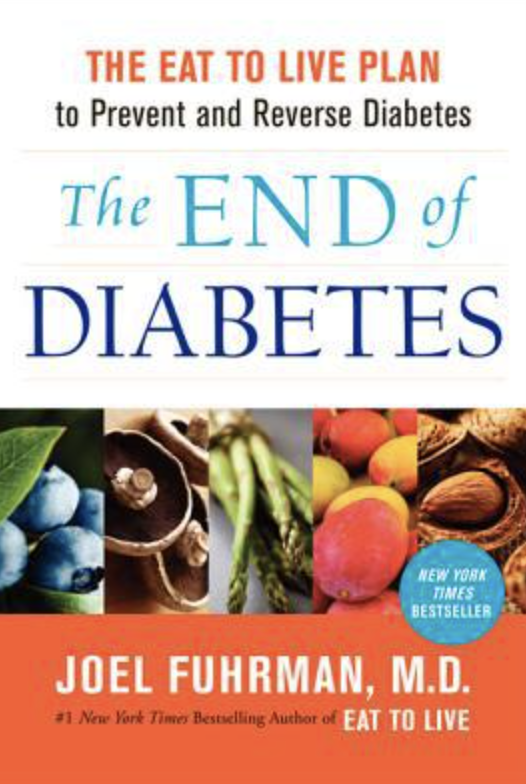
For folks with insulin resistance, prediabetes, or type II diabetes, this book reformats the information in “Eat for Life” in a focused way of interest to you. There’s a lot we can do to reduce diabetes medications or prevent or reverse type II diabetes, but a lot of the advice out there focuses on unhealthy discussions of macronutrients and doesn’t provide patients with a way to achieve overall health and vitality while also addressing diabetes specifically. Of note, Dr. Fuhrman also has a book “The End of Heart Disease” that similarly reformats his information to speak to individuals needing to address that health concern. -AM
The End of Diabetes by Joel Fuhrman, MD
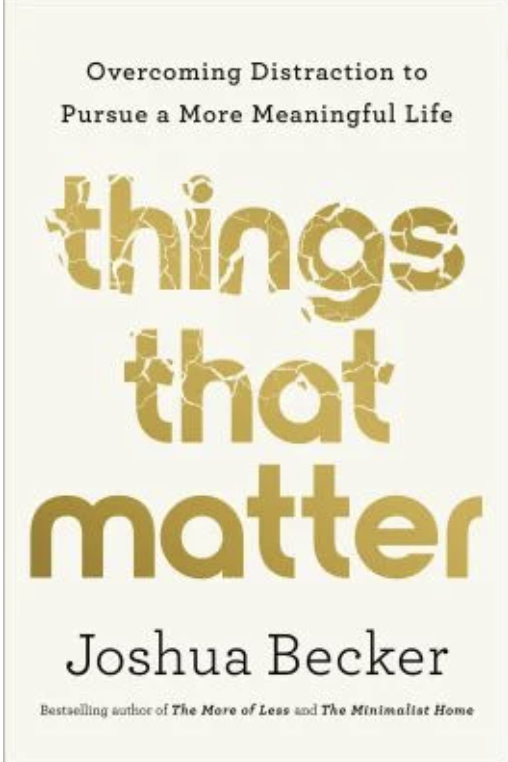
Things That Matter by Joshua Becker
Joshua Becker is a minimalist best known for his decluttering methods. In this book he goes beyond decluttering and brings its purpose into focus: having the bandwidth to focus on things that matter. Relationships, meaningful work, restorative play, a faith life, and/or service to others - we all have things that make life meaningful. This book is an inspiring foray into how to reduce distraction and bring more of what matters to the forefront in our daily lives. -AM
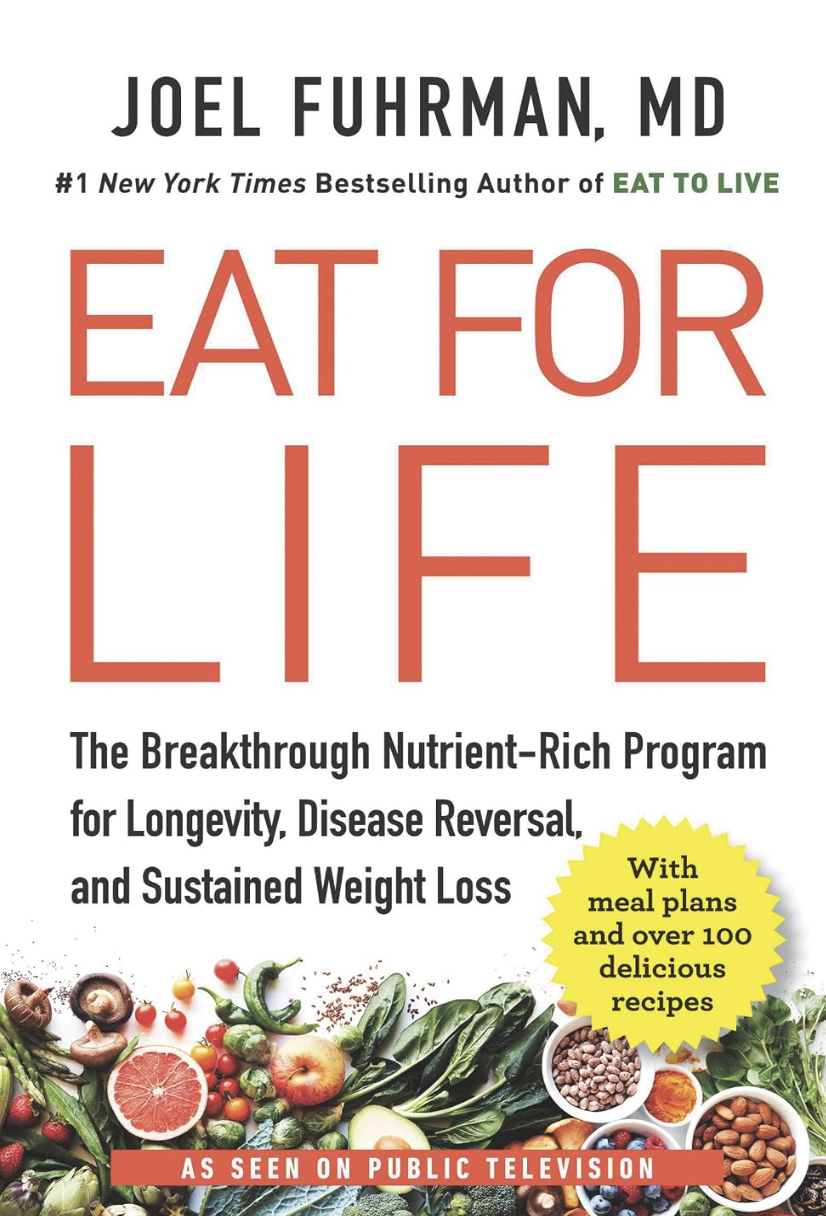
Eat To Live by Joel Fuhrman, MD
Dr. Joel Fuhrman, MD, is a family medicine physician and world-renowned nutrition researcher. This book is an updated version of his 2003 book, “Eat to Live.” I trained with Dr. Fuhrman to increase my skills in helping patients successfully apply his recommendations. Dr. Fuhrman takes WFPB eating to the next level by using decades of nutritional research to explain what our bodies need on a daily basis to achieve nutritional excellence. I find it most successful to approach this book like a textbook and plan to read one chapter per week. This keeps the book interesting and manageable and increases the likelihood you’ll finish it. -AM
Joshua Becker is my favorite voice in the world of minimalism. The More of Less is an empowering book about how to live more by owning less.
The point of decluttering isn’t to simply own less stuff, but, rather, to free up the time we spend being controlled by stuff - researching it, buying it, cleaning it, fixing it, moving it, and replacing it. Joshua Becker as a really great way of refocusing our attention on all the benefits of having less. -AM
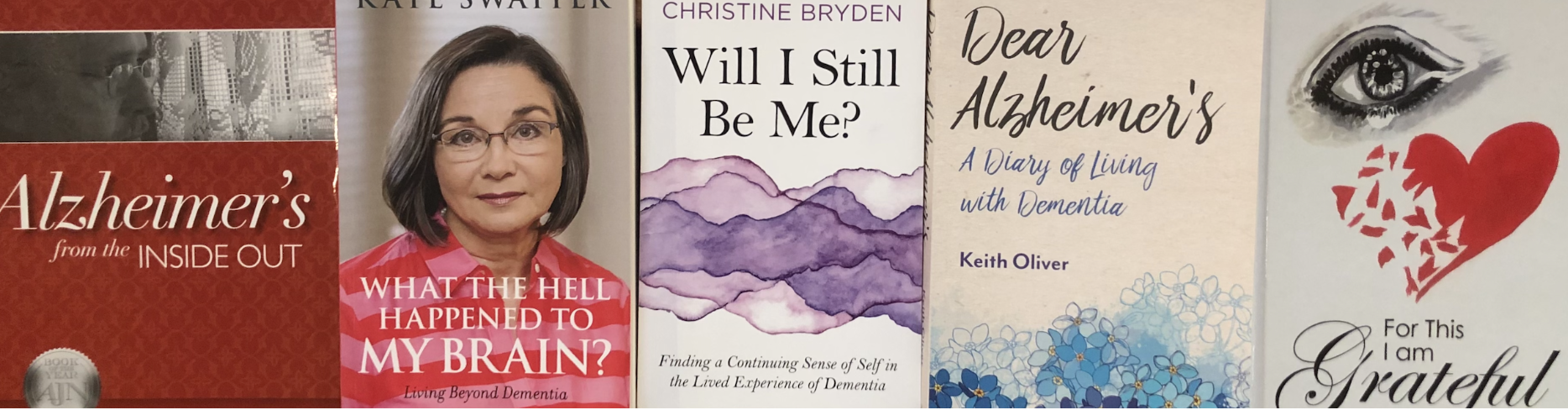
Books by Persons Living with Dementia (PLWD)
If you are experiencing cognitive impairment or dementia, reading or listening to books by people going through similar experiences can be helpful, both emotionally and practically. Check out this great collection of books curated by Dementia Alliance International.
For PLWD Care Partners
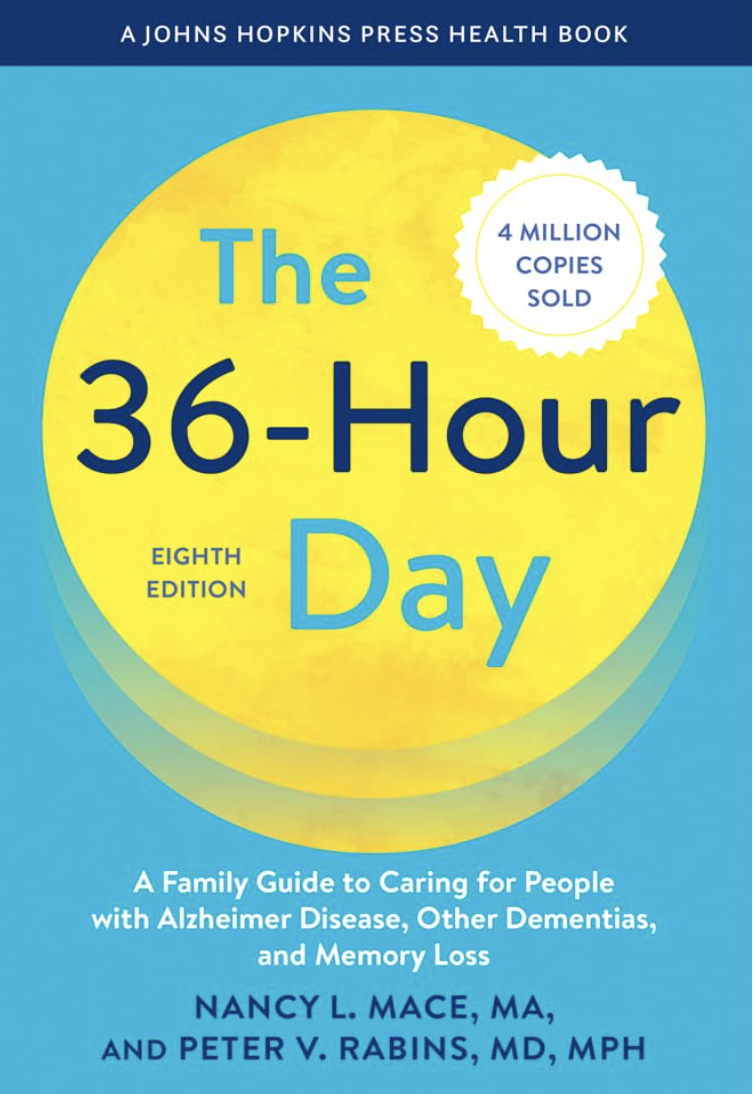
The 36-Hour Day: A Family Guide to Caring for People with Alzheimer Disease, Other Dementias, and Memory Loss
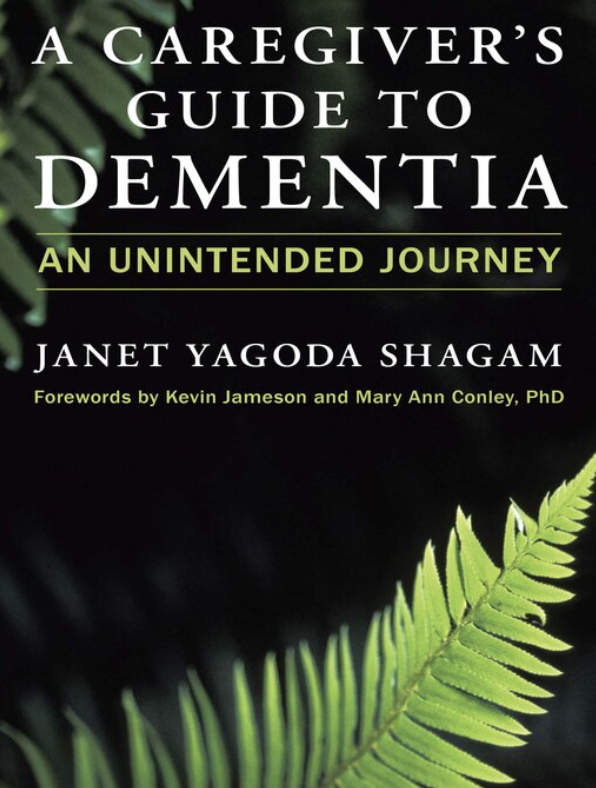
A Caregiver's Guide to Dementia: An Unintended Journey, by Janey Yagoda Shagam