
Nutrition Resources
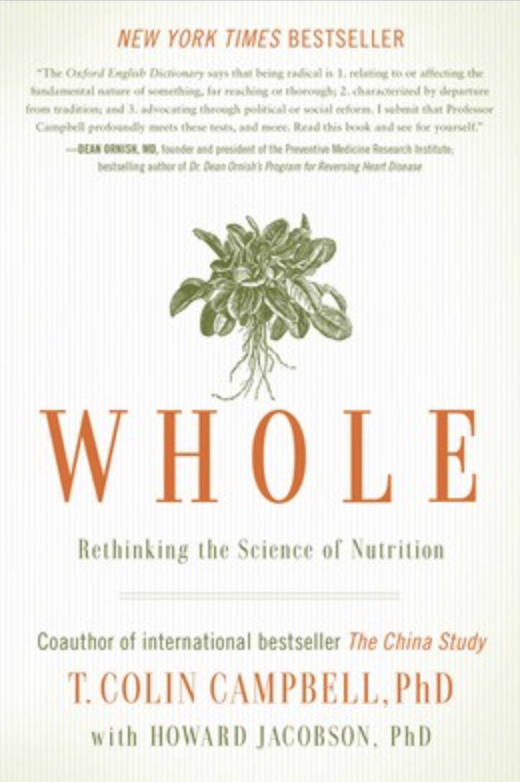
Nutritional science, long stuck in a reductionist mindset, is at the cusp of a revolution. The traditional “gold standard" of nutrition research has been to study one chemical at a time in an attempt to determine its particular impact on the human body. These sorts of studies are helpful to food companies trying to prove there is a chemical in milk or pre-packaged dinners that is “good" for us, but they provide little insight into the complexity of what actually happens in our bodies or how those chemicals contribute to our health. Whole is an eye-opening, paradigm-changing journey through cutting-edge thinking on nutrition, a scientific tour de force with powerful implications for our health and for our world.
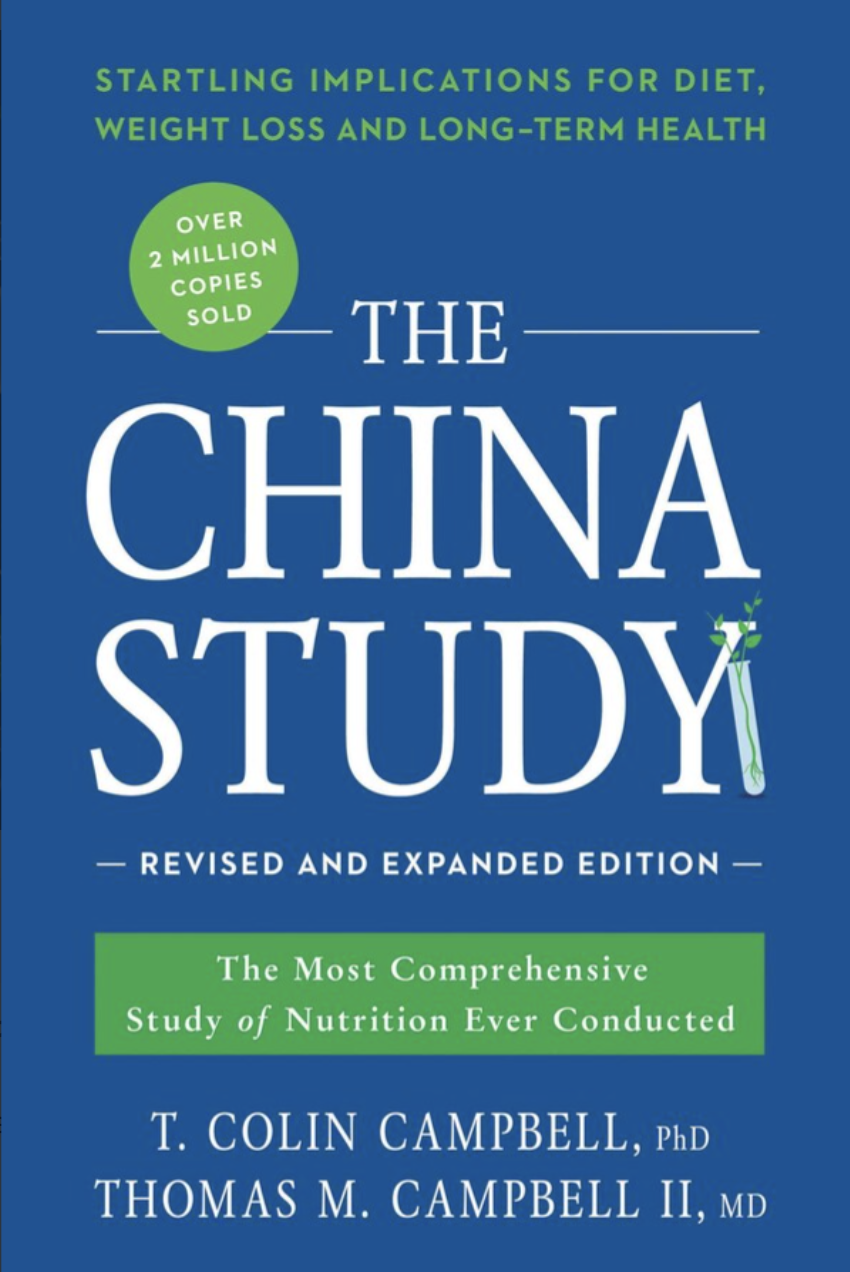
More than 30 years ago, nutrition researcher T. Colin Campbell and his team at Cornell, in partnership with teams in China and England, embarked upon the China Study, the most comprehensive study ever undertaken of the relationship between diet and the risk of developing disease. What they found when combined with findings in Colin's laboratory, opened their eyes to the dangers of a diet high in animal protein and the unparalleled health benefits of a whole foods, plant-based diet. In 2005, Colin and his son Tom, now a physician, shared those findings with the world in The China Study, hailed as one of the most important books about diet and health ever written. The China Study—Revised and Expanded Edition presents a clear and concise message of hope as it dispels a multitude of health myths and misinformation. The basic message is clear. The key to a long, healthy life lies in three things: breakfast, lunch, and dinner.
Learn About “Nutritarianism”
Eat to Live Podcast


Free Full Plate Living Membership from the Ardmore Institute of Health
